
Quick Answer
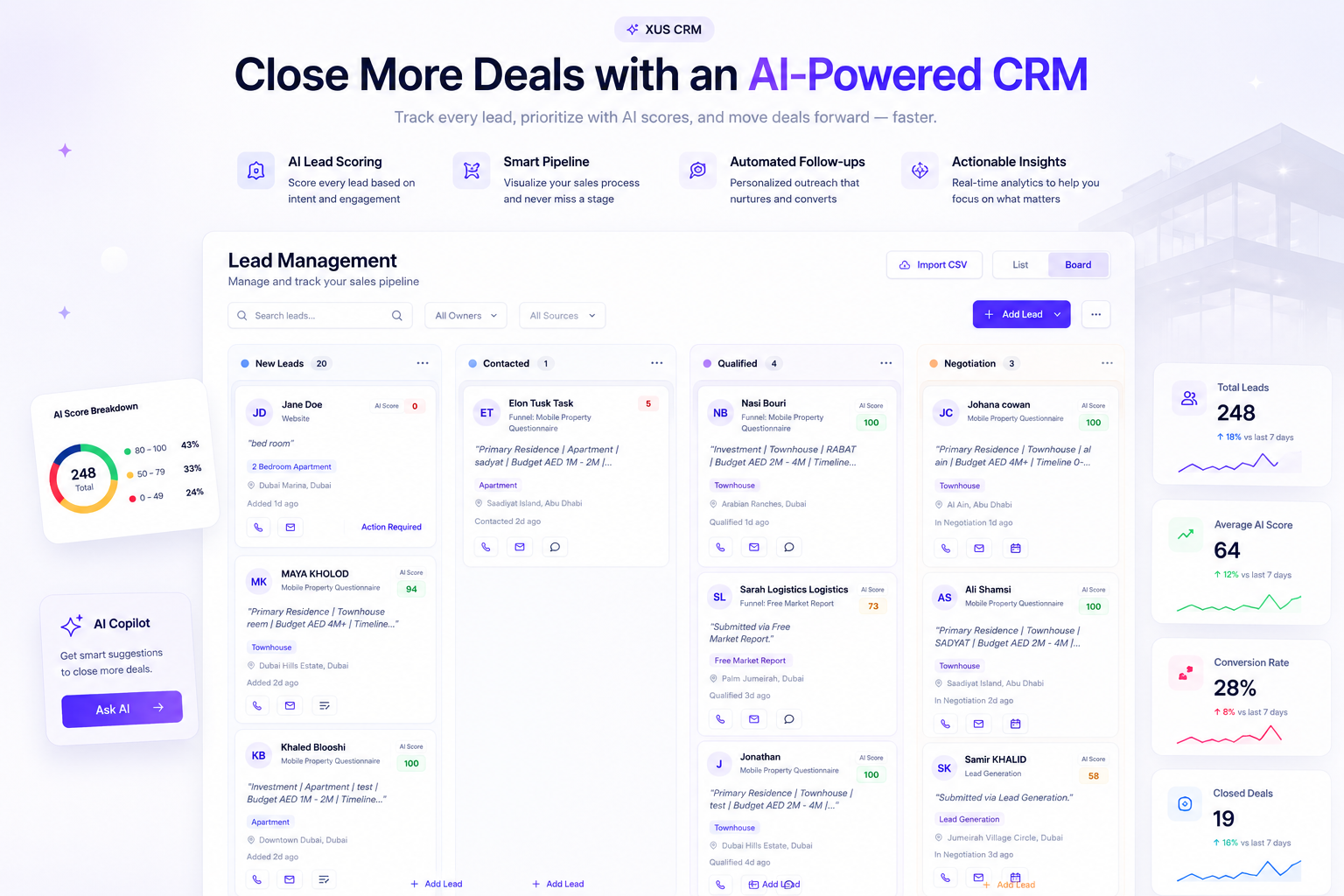
A strong real estate pipeline makes next steps visible, keeps deals moving, and shows where follow-up is slipping.
Real estate pipeline management is the practice of turning scattered lead activity into a clear operating system. A useful pipeline shows where each opportunity stands, what should happen next, who owns the work, and where follow-up is starting to slip. The real goal is not reporting. It is daily clarity.
What is a real estate pipeline?
A real estate pipeline is a stage-based view of active buyer, seller, and nurture opportunities. It helps an agent or team see which records are new, qualified, moving, stuck, under contract, or closed. A good pipeline is not just a visual board. It is a decision tool tied to follow-up behavior.
What stages should a real estate pipeline include?
Your stages should reflect how work actually moves in your business. If two stages mean the same thing in practice, merge them. If one stage hides too many different realities, split it.
- New lead
- Contact made
- Qualified
- Active opportunity
- Offer, listing prep, or negotiation
- Under contract
- Closed
What should every pipeline record include?
A pipeline record does not need twenty fields to be useful. It needs the right fields to keep action moving.
- Lead source
- Timeline or urgency
- Budget, price band, or property goal
- Current stage
- Next action
- Next action date
- Recent communication summary
- Owner
How do you keep the pipeline from going stale?
Use one simple operating rule
Every active opportunity should have a visible next action. If a record has no next action, one of three things is usually true: the lead is stalled, the stage is wrong, or the opportunity is no longer active.
Review for exceptions, not decoration
Do not review the pipeline just to admire stage counts. Review it to catch problems: no-contact records, overdue follow-ups, weak ownership, missing notes, and opportunities that have not moved in too long.
Should buyers and sellers share the same pipeline?
Usually they should not. Buyers and sellers move through different milestones, ask different questions, and require different follow-up logic. Separate views make the work more honest and the reporting more useful.
What metrics actually matter?
- New leads by source
- Contact rate
- Qualification rate
- Time in stage
- Stage-to-stage conversion
- Opportunities with no next action
What CRM features matter most for pipeline management?
Look for clear stage movement, visible ownership, communication history tied to the record, and an action layer that turns pipeline state into today’s follow-up. A next-best-action workflow matters more than a prettier board if your goal is closing work, not just logging it.
A consistent morning review and a practical lead scoring model make pipeline data more operational.
Last updated: May 2026.
Ready to turn follow-up advice into daily action?
XusCRM gives agents lead scoring, Action Center prioritization, workflows, and funnel capture in one focused real estate workspace.
Start free